If you’re a business owner looking to improve your website’s visibility in search results, you’ve likely come across the term “link building.” But what exactly is link building, and why does it play such a crucial role in SEO success?
In this comprehensive guide, we’ll walk you through everything you need to know about link building, from the fundamentals to practical strategies you can implement to boost your organic rankings and drive more traffic to your website.
What is Link Building?
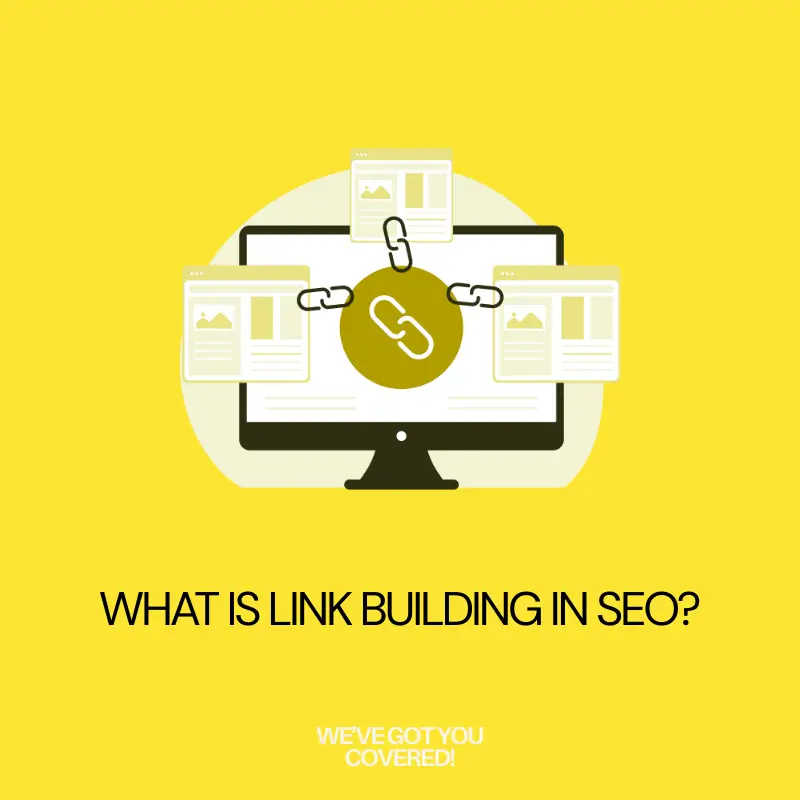
Link building is the process of acquiring hyperlinks (backlinks) from other websites to your own. These external links act as pathways that allow users to navigate between different pages on the internet, but more importantly for search engine optimisation, they serve as votes of confidence in the eyes of search engines like Google.
When a reputable website links to your content, it’s essentially vouching for your credibility and the quality of your information. Search engines interpret these backlinks as signals that your website offers valuable content worth ranking higher in search results.
At its core, link building is about earning external links from other websites back to yours. We take a hands-on approach to this process, focusing on quality over quantity to ensure sustainable, long-term results for our partners.
Why Does Link Building Matter for SEO?
Link building remains one of the most important ranking factors in Google’s algorithm. But why exactly do links carry so much weight?
Authority and Trust Signals
Search engines use links to assess the authority and trustworthiness of your website. When multiple credible sources link to your content, it demonstrates to Google that your site is a reliable resource within your industry. This concept builds upon Google’s original PageRank algorithm, which evaluated the importance of web pages based on the quantity and quality of links pointing to them.
The more high-quality backlinks your website accumulates from authoritative sources, the more likely search engines are to view your site as an expert in your field. This improved perception directly influences your organic rankings.
Referral Traffic
Beyond SEO benefits, quality backlinks can drive targeted referral traffic to your website. When someone clicks a link on another site that points to yours, you gain a potential customer who’s already interested in your topic or industry. This type of traffic often converts better than other sources because it’s pre-qualified and contextually relevant.
Faster Indexing and Discovery
Links help search engine crawlers discover new pages on your website. When you publish fresh content and other sites link to it, search engines can find and index your pages more quickly, getting your content into search results faster.
What Makes a High-Quality Backlink?
Not all backlinks are created equal. Understanding the characteristics of quality links will help you focus your efforts on strategies that deliver real results.
Website Authority
Links from established, authoritative websites carry significantly more weight than those from low-quality or newly created sites. A single backlink from a well-respected industry publication or educational institution can be worth more than dozens of links from obscure directories or blog comment sections.
When evaluating potential link opportunities, consider the referring domain’s overall authority, its reputation within your industry, and its own backlink profile.
Relevance
Relevance is crucial. A link from a website in your industry or a related niche is far more valuable than one from a completely unrelated site. Google’s algorithms are sophisticated enough to understand topical relationships, and they reward links that make contextual sense.
For example, if you run a plumbing business, a backlink from a home improvement blog or local trade association is more valuable than one from a fashion website.
Link Placement
Where a link appears on a page matters. Links positioned within the main content area of a page typically carry more weight than those buried in footers, sidebars, or comment sections. This concept is sometimes referred to as the “reasonable surfer model,” which suggests that not all links on a page are equally likely to be clicked or valued by search engines.
Editorial links that naturally fit within the context of quality content are the gold standard of link building.
Anchor Text
Anchor text is the clickable text portion of a hyperlink. Descriptive, relevant anchor text helps search engines understand what your linked page is about. However, it’s important to maintain a natural anchor text profile. Over-optimisation with exact-match keywords can appear manipulative and may trigger spam filters.
A healthy backlink profile includes a mix of branded anchor text (your company name), generic phrases (“click here,” “learn more”), and naturally varied descriptive text.
Understanding Link Attributes
Modern link building requires understanding the different attributes that can be applied to links, as these attributes tell search engines how to treat them.
Dofollow Links
Standard links without special attributes are “dofollow” by default. These links pass authority (often called “link juice”) from the referring site to yours and directly influence your rankings. These are the most valuable links for SEO purposes.
Nofollow Links
The nofollow attribute (rel=”nofollow”) tells search engines not to follow the link or pass authority to the destination page. While these links don’t directly boost rankings, they still have value. They can drive referral traffic, increase brand visibility, and contribute to a natural-looking backlink profile.
According to Google, nofollow links may still be used as hints in certain contexts.
Sponsored Links
The sponsored attribute (rel=”sponsored”) should be used for paid links, advertisements, or other sponsored content. This attribute helps Google distinguish between editorial links and commercial relationships, ensuring compliance with search engine spam policies.
UGC Links
The UGC (User Generated Content) attribute (rel=”ugc”) is recommended for links within user-generated content such as forum posts, blog comments, or community contributions. This helps search engines identify and appropriately weight these types of links.
Types of Link Building
Link building strategies can be categorised based on how the links are acquired. Understanding these different types will help you develop a comprehensive approach.
Editorial Links
Editorial links are earned naturally when other websites choose to link to your content because they find it valuable. These are the most coveted type of backlinks because they’re genuine endorsements. Creating exceptional content that others want to reference is the foundation of earning editorial links.
Resource Links
Resource links come from curated lists, industry directories, and resource pages that compile helpful information on specific topics. When your website offers genuinely useful resources, tools, or information, you can reach out to site owners maintaining these lists and suggest your content as an addition.
Guest Contributions
Writing high-quality content for other websites in your industry can earn you backlinks and establish your expertise. However, guest posting must be done thoughtfully and ethically, focusing on providing real value to the host site’s audience rather than purely acquiring links.
Acquired Through Outreach
Proactive outreach involves identifying relevant websites and contacting them with genuine reasons they might want to link to your content. This might include informing them about broken links you’ve found on their site (that your content could replace), sharing research or data they might find useful, or building genuine relationships with industry peers.
Reclaimed Links
Sometimes websites that previously linked to you remove those links, or you might discover unlinked brand mentions where someone references your business without linking. Reclaiming these opportunities by politely reaching out and requesting the link be added or restored is a legitimate strategy.
White-Hat Link Building Strategies That Work
Now that you understand the fundamentals, let’s explore proven strategies for earning quality backlinks ethically and sustainably.
Create Linkable Assets
Linkable assets are pieces of content so valuable that other websites naturally want to reference them. These might include:
- Original research and data studies
- Comprehensive guides and tutorials
- Free tools and calculators
- Infographics and visual resources
- Industry reports and surveys
Investing in these types of resources positions your business as an authority and provides other content creators with valuable material worth linking to.
Digital PR and Content Marketing
Digital PR campaigns can generate substantial backlink opportunities by getting your business featured in online publications, news outlets, and industry blogs. This approach combines traditional PR tactics with SEO copywriting to create newsworthy stories that journalists want to cover.
By collaborating with your industry knowledge, we can provide value to your audience through content that attracts natural links and media attention.
HARO and Journalist Requests
Platforms like Help a Reporter Out (HARO), now known as Connectively, connect journalists with expert sources. By responding to relevant requests with thoughtful, expert insights, you can earn high-quality backlinks from reputable publications.
This strategy works particularly well for business owners with specialised knowledge or unique perspectives in their industry. The key is providing genuinely helpful information rather than overly promotional responses.
Broken Link Building
Broken link building involves finding broken links (links that lead to 404 error pages) on other websites and suggesting your relevant content as a replacement. This strategy provides value to the website owner by helping them fix their site whilst creating a link opportunity for you.
Competitor Backlink Analysis
Analysing where your competitors are earning backlinks can reveal opportunities for your own website. If a site links to your competitor, they might also be willing to link to your content if it offers equal or greater value. This gap analysis helps you identify untapped link prospects in your industry.
Unlinked Brand Mentions
Sometimes websites mention your business or brand without including a hyperlink. By monitoring these mentions and politely reaching out to request a link, you can convert existing references into valuable backlinks. This strategy is particularly effective because the website has already demonstrated awareness of and interest in your brand.
Link Building Dos and Don’ts
Understanding what to avoid is just as important as knowing what strategies work.
Do Focus on Quality Over Quantity
A handful of high-quality, relevant backlinks from authoritative sources will always outperform dozens of low-quality links from questionable websites. Prioritise earning links that genuinely benefit your website’s authority and reputation.
Do Build Relationships
Link building is fundamentally about building genuine relationships within your industry. Engage with peers, contribute valuable insights to conversations, and establish yourself as a helpful resource. Links often follow naturally from authentic professional relationships.
Don’t Buy or Sell Links
Purchasing backlinks or participating in link schemes violates Google’s spam policies and can result in severe penalties, including complete removal from search results. The short-term gains are never worth the long-term risks.
Don’t Engage in Link Exchanges Solely for SEO
Reciprocal linking (where two sites agree to link to each other) purely for SEO purposes is considered manipulative. Whilst genuine partnerships where links make editorial sense are fine, systematic link exchange schemes are not.
Don’t Over-Optimise Anchor Text
Using exact-match keyword anchor text for every backlink appears unnatural and can trigger spam filters. Maintain diversity in your anchor text profile and let links develop naturally.
Don’t Participate in Link Schemes
Google’s algorithms are increasingly sophisticated at detecting manipulative link practices such as automated link generation, participation in link networks, or large-scale article marketing with keyword-rich anchor text. These tactics will eventually harm your rankings.
Tracking and Auditing Your Link Profile
Effective link building services include ongoing monitoring to ensure your backlink profile remains healthy and continues to support your SEO goals.
Monitor Backlink Growth
Regularly tracking new backlinks allows you to understand which strategies are working and identify any unexpected or potentially harmful links. Various SEO tools can help you monitor your referring domains, anchor text distribution, and overall link velocity.
Conduct Regular Backlink Audits
Periodic audits help identify toxic backlinks that might harm your website’s reputation. These might include links from spammy websites, penalised domains, or irrelevant sources. While Google has become better at ignoring low-quality links, proactively monitoring your profile is still prudent.
Track Your Rankings and Referral Traffic
The ultimate measure of link building success is improved organic rankings and increased referral traffic. Monitor how your target keywords perform over time and analyse which backlinks are driving the most qualified traffic to your website.
The Role of Link Building in a Comprehensive SEO Strategy
Link building doesn’t exist in isolation. It’s one component of a holistic approach to search engine optimisation that includes technical SEO, on-page optimisation, content creation, and local search strategies.
For businesses targeting local customers, integrating link building with local SEO services can be particularly effective. Local citations, partnerships with nearby businesses, and community involvement can all generate valuable local backlinks that improve your visibility in location-based searches.
Similarly, technical website issues can undermine even the strongest backlink profile. Ensuring your site is properly crawlable, fast-loading, and mobile-friendly is essential for maximising the value of your link building efforts.
How We Approach Link Building
At Majestic One, we understand that link building is still an important ranking factor for SEO. We take a hands-on approach to building high-quality backlinks that drive real results for our partners.
Our team works closely with your business to understand your industry, target audience, and competitive landscape. We then develop tailored strategies that align with your goals and budget, whether that’s through digital PR campaigns, content creation, strategic outreach, or a combination of approaches.
We partner with companies to alleviate the stresses associated with managing their digital presence, allowing you to focus on what you do best whilst we handle the complexities of earning quality backlinks. By optimising websites for organic growth and conversions, our SEO consultants help businesses connect with their target audience, turning online searches into revenue-generating customers.
Our partners enjoy a tailored, personal experience, with our team committed to providing competitively priced services whilst delivering effective results. We offer initial in-person meetings or calls to work out the best approach for your business. We can work on a project-style basis where you pay for work as we go, or we can work on monthly retainers, depending on what suits your needs.
Getting Started with Link Building
If you’re ready to improve your website’s authority and organic rankings through strategic link building, the first step is assessing your current backlink profile and identifying opportunities for growth.
Start by understanding where you currently stand. What backlinks do you already have? Where are your competitors earning links that you’re not? What content on your website is most link-worthy, and what gaps need filling?
From there, develop a realistic strategy that focuses on sustainable, white-hat tactics aligned with your business goals and resources. Remember that link building is a long-term investment. Meaningful results typically take months rather than weeks, but the payoff in improved rankings, traffic, and authority is well worth the patience.
Whether you’re a local tradesperson looking to dominate your market or a national business seeking broader visibility, link building should be a key component of your digital marketing strategy.
Final Thoughts
Link building remains one of the most powerful ways to improve your website’s search engine rankings and establish your business as an authority in your industry. By focusing on earning high-quality, relevant backlinks through ethical, white-hat strategies, you can build a sustainable foundation for long-term organic growth.
The key is understanding that effective link building isn’t about manipulating search engines—it’s about creating genuine value, building real relationships, and earning recognition from others in your industry. When approached with this mindset, link building becomes less of a technical SEO tactic and more of a natural extension of good business practice.
If you’re looking for expert guidance on developing a link building strategy tailored to your business, our team is here to help. Get in touch with us to discuss how we can support your SEO goals and help your business grow its online presence.
Ready to explore our full range of services and see how we can help your business thrive online? Visit our blog for more insights and practical SEO advice.